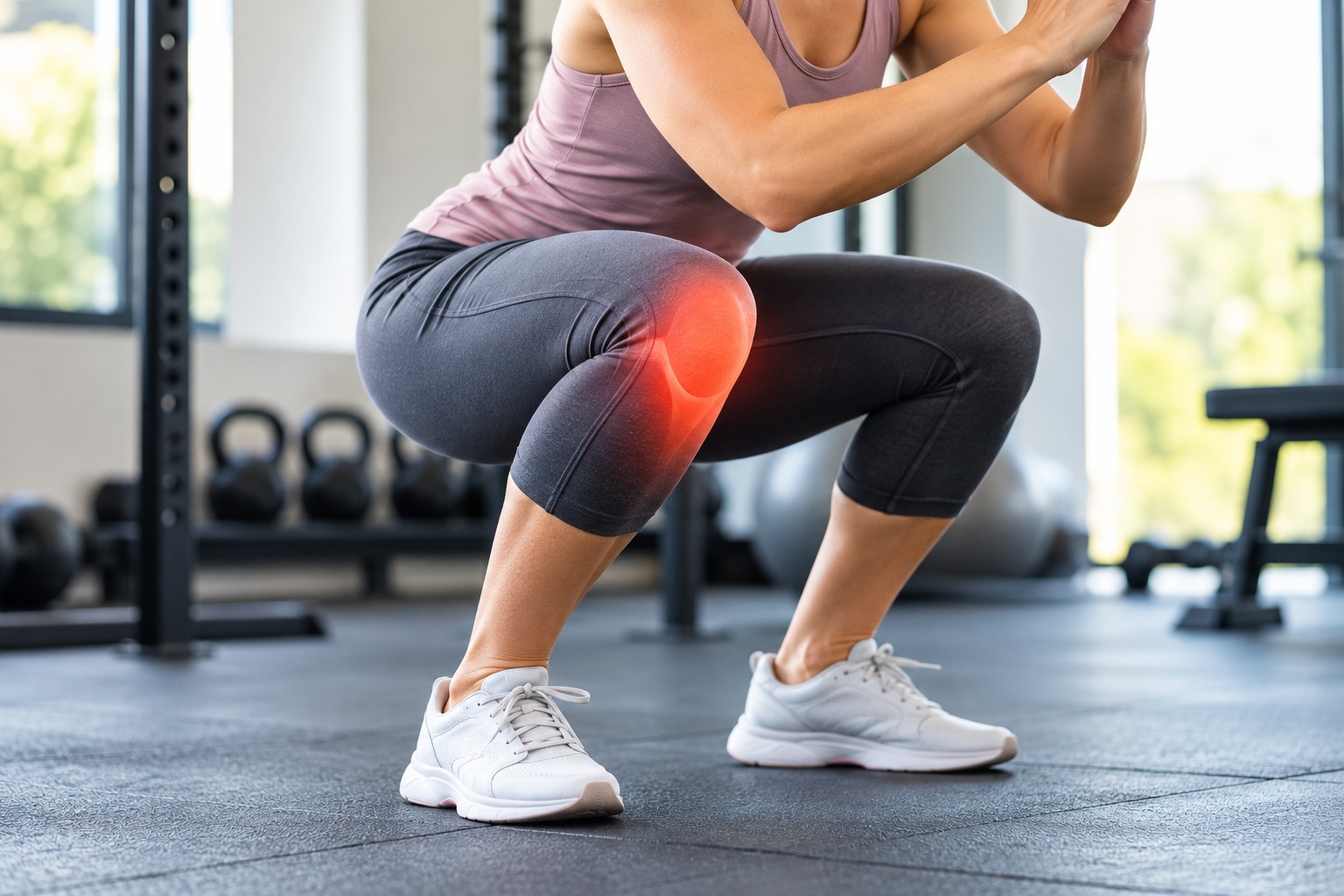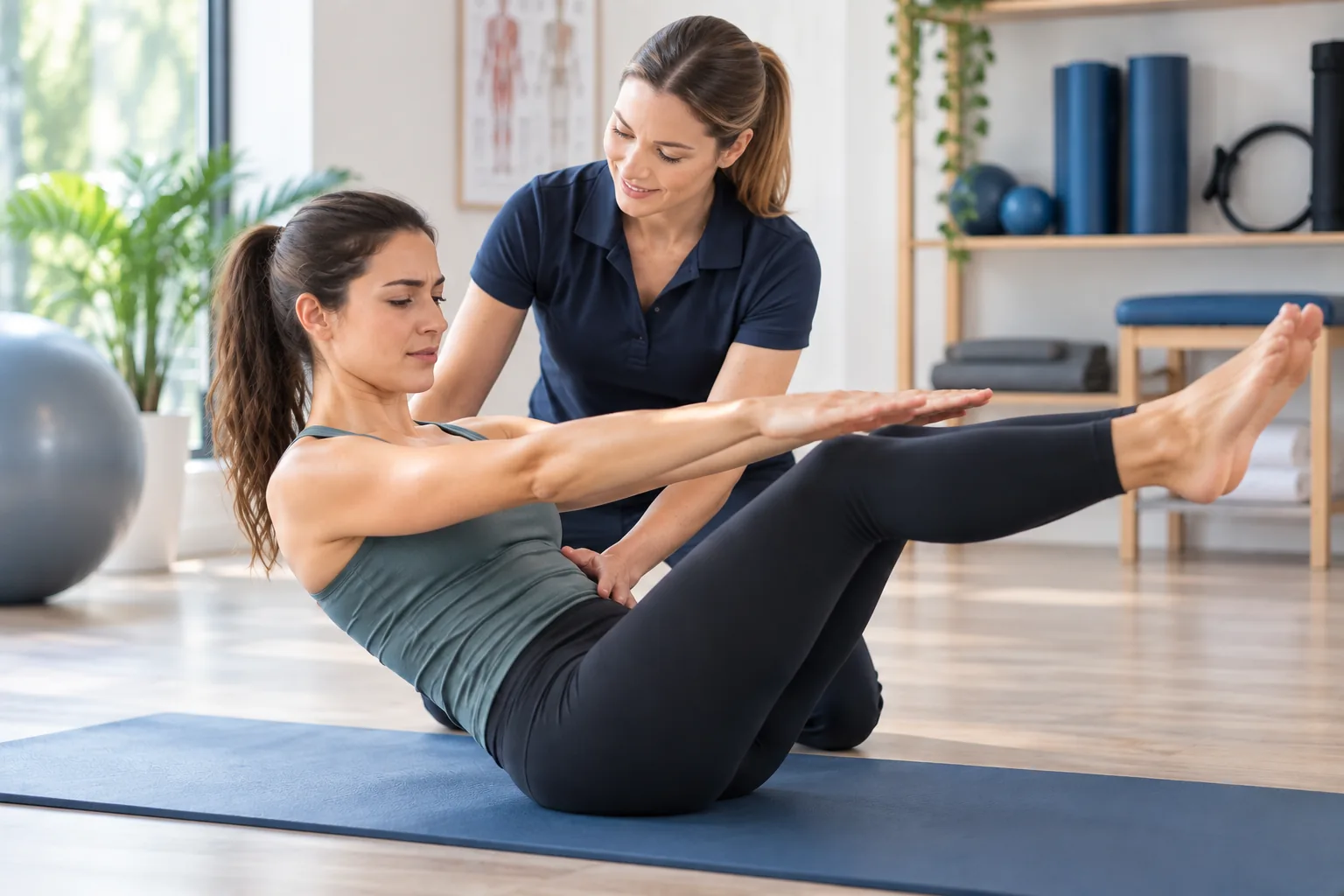
When people hear women's physiotherapy, they often think about pregnancy, childbirth or recovering after having a baby.
These are important areas of care, but women's health
physiotherapy covers much more.
Women can experience physical changes, pain and movement
problems at different stages of life. Some symptoms may be easy to dismiss as
“normal”, while others can gradually affect exercise, work, sleep or everyday
activities.
So, what can women's physiotherapy actually help with?
Pelvic Health Is a Big Part of Women's Physiotherapy
Pelvic health problems can affect women of all ages,
not just those who have recently had children.
You may experience:
- Urine
leakage when coughing, sneezing or exercising
- A
sudden or frequent need to urinate
- Pelvic
pain or discomfort
- A
feeling of pressure or heaviness
- Difficulty
controlling bladder or bowel movements
- Changes
following childbirth
These symptoms can have different causes. Pelvic floor
muscles may be weak, tight, overactive or not coordinating effectively.
This is why simply doing more pelvic floor exercises is not
always the answer. A women's health physiotherapist can assess your symptoms
and help determine what type of support may be appropriate.
Pregnancy Is Only One Part of the Journey
Pregnancy can place new demands on the body as posture,
movement, weight distribution and activity levels change.
Physiotherapy may help women manage problems such as:
- Pregnancy-related
back pain
- Pelvic
girdle pain
- Reduced
strength or mobility
- Difficulty
staying active comfortably
The aim is not necessarily to stop you doing things.
Instead, treatment can help you understand how to manage movement and activity
as your body changes.
What Happens After Childbirth?
Recovery does not necessarily end once the baby arrives.
Your body may need time and appropriate rehabilitation to
rebuild strength and confidence. Some women may experience pelvic floor
symptoms, abdominal weakness, back or pelvic pain, or uncertainty about when to
return to exercise.
Postnatal women's physiotherapy can support a gradual return to normal activities.

The focus should be on your recovery rather than comparing yourself with someone else's timeline.
Women's Health Changes During Menopause Too
Pregnancy and childbirth are not the only times when women
experience significant physical changes.
During and around menopause, changes in hormones can occur
alongside changes in muscle strength, joint comfort, physical activity and
recovery.
Some women may notice increased stiffness, aches, reduced
confidence with exercise or difficulty maintaining their usual activity levels.
Physiotherapy can provide practical support through
appropriate strengthening, mobility work, exercise and advice based on your
individual needs.
What About Persistent Pelvic, Hip or Back Pain?
Women's physiotherapy is not limited to pelvic floor
problems.
Persistent pain around the pelvis, hips or lower back can
affect movement and everyday life. In some cases, these symptoms may be
influenced by changes in strength, mobility, activity levels or how the body is
managing physical load.
A physiotherapy assessment can help explore what may be
contributing to the problem and whether rehabilitation could help.
You Don't Have to Wait Until Symptoms Become Severe
One common reason women delay seeking help is the belief
that their symptoms are simply something they have to live with.
But ongoing leakage, pelvic discomfort, pain during activity
or difficulty returning to exercise can affect quality of life.
You may benefit from speaking to a women's health
physiotherapist if a physical problem is:
- Affecting
your everyday activities
- Preventing
you from exercising
- Making
work or hobbies difficult
- Continuing
despite changes you have already made
- Affecting
your confidence in movement
An assessment does not mean you will automatically need a
particular treatment. It is an opportunity to understand what may be happening
and discuss appropriate options.
Women's Physiotherapy Is About More Than One Stage of
Life
Women's bodies change throughout life, and physiotherapy can
have a role at different points along the way.
Whether you are dealing with pelvic floor symptoms,
pregnancy-related discomfort, postnatal recovery, menopause-related changes or
persistent musculoskeletal pain, the starting point is understanding your
individual problem.
There is no single exercise programme or treatment that
works for every woman.
Women's Health Physiotherapy at The Physiotherapy Centre
At The Physiotherapy Centre, our women's health
physiotherapy service supports women with a range of pelvic health, pregnancy,
postnatal, menopause and musculoskeletal concerns.
Our women's health physiotherapists provide personalised
assessments and treatment based on your symptoms, needs and goals.
The Physiotherapy Centre provides women's physiotherapy
across Sittingbourne and Sheerness, making support available at
convenient local clinics.
If you have a concern that is affecting your comfort, movement or confidence, an assessment can help you understand what support may be appropriate.